Essential Reading for Writers and Clinical Child Psychologists: Books That Shape Insight and Imagination


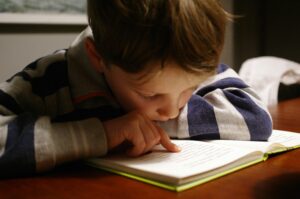
Understanding the human mind requires both creativity and precision, and that is why certain books stand out as essential for authors and clinical child psychologists alike. These professionals often explore emotional depth, behavior patterns, and human development, so the right reading material can sharpen their perspective and enhance their work. While authors craft compelling narratives, clinical child psychologists analyze real-life experiences, yet both fields benefit from a shared foundation of empathy, observation, and storytelling. Therefore, choosing the right books becomes more than a preference; it becomes a powerful tool for professional growth.
Moreover, reading widely allows individuals in both disciplines to expand their thinking and refine their communication skills. Strong storytelling techniques can help psychologists explain complex ideas, while psychological insights can help authors create believable characters. As a result, the connection between literature and psychology becomes deeply meaningful, encouraging a blend of science and creativity that supports both professions.
Exploring Human Behavior Through Classic Literature
Classic literature offers timeless insights into human behavior, making it an invaluable resource for both writers and psychologists. These works often explore complex emotions, moral dilemmas, and interpersonal relationships, which mirror real-life psychological experiences. For example, novels that delve into themes of identity, trauma, and growth can help professionals better understand the emotional journeys people undergo. Consequently, these stories provide a rich foundation for analyzing behavior and crafting meaningful narratives.
In addition, classic literature encourages critical thinking and reflection. Authors can learn how to build layered characters, while clinical child psychologists can observe patterns of behavior and emotional responses within different contexts. Furthermore, these books often highlight cultural and societal influences on development, which is essential for understanding children from diverse backgrounds. By engaging with these stories, readers gain a deeper appreciation of the human experience.
Understanding Childhood Development and Emotional Growth
Books that focus on childhood development play a crucial role in shaping the knowledge of clinical child psychologists and inspiring authors. These texts often explore how children think, feel, and interact with the world around them. As a result, they provide valuable insights into cognitive development, emotional regulation, and social behavior. For psychologists, this knowledge is essential for assessment and treatment, while for authors, it helps create authentic child characters.
At the same time, these books highlight the importance of early experiences in shaping long-term outcomes. They often examine how family dynamics, environment, and education influence a child’s growth. Therefore, both professionals can benefit from understanding these factors, as they impact storytelling and clinical practice alike. By studying these works, readers develop a more nuanced understanding of childhood and its lasting effects.
The Role of Storytelling in Therapy and Writing
Storytelling serves as a powerful tool in both writing and clinical psychology, bridging the gap between imagination and healing. In therapy, narratives allow children to express their feelings in a safe and creative way. Similarly, authors use storytelling to connect with readers and convey complex emotions. As a result, books that explore narrative techniques can enhance both therapeutic practices and literary skills.
Furthermore, storytelling helps individuals make sense of their experiences. Clinical child psychologists often use stories to help children process trauma and build resilience. Meanwhile, authors can learn how to structure narratives that resonate emotionally with their audience. By studying books that emphasize storytelling, both groups can improve their ability to communicate and connect with others in meaningful ways.
Insights into Trauma, Resilience, and Healing
Understanding trauma and resilience is essential for both authors and clinical child psychologists. Many books in this area explore how individuals cope with adversity and find ways to heal. These works often provide real-life examples and research-based insights, which help professionals better understand the complexities of trauma. Consequently, they offer valuable guidance for supporting children through difficult experiences.
In addition, these books emphasize the importance of resilience and recovery. They often highlight strategies for building emotional strength and overcoming challenges. For authors, this knowledge can lead to more authentic and inspiring stories, while psychologists can apply these insights in their practice. Therefore, reading about trauma and healing helps both professions develop a deeper sense of empathy and effectiveness.
Enhancing Empathy and Emotional Intelligence
Empathy and emotional intelligence are essential qualities for both writers and clinical child psychologists. Books that focus on these skills often explore how individuals understand and respond to emotions, both their own and others’. As a result, they provide valuable tools for improving communication and building strong relationships. For psychologists, this is crucial for effective therapy, while authors use these skills to create relatable characters.
Moreover, these books encourage self-awareness and reflection. They often challenge readers to consider different perspectives and develop a deeper understanding of human emotions. Consequently, both professionals can enhance their ability to connect with others and navigate complex emotional situations. By prioritizing empathy and emotional intelligence, they can improve both their personal and professional lives.
Bridging Science and Creativity
The intersection of science and creativity offers unique opportunities for growth in both writing and clinical psychology. Books that combine research with storytelling provide a balanced approach to understanding the human mind. These works often present scientific concepts in an engaging and accessible way, making them valuable for both fields. As a result, they help bridge the gap between analytical thinking and creative expression.
Additionally, these books inspire innovation and new ideas. Authors can use scientific insights to create more realistic narratives, while psychologists can incorporate creative approaches into their practice. Therefore, exploring this intersection allows both professionals to expand their skills and explore new possibilities. By embracing both science and creativity, they can achieve a more holistic understanding of their work.
The Importance of Continuous Learning
Continuous learning plays a vital role in the development of both authors and clinical child psychologists. Books provide an ongoing source of knowledge, inspiration, and growth, allowing professionals to stay informed and adaptable. As new research and perspectives emerge, reading helps individuals remain current in their fields and refine their skills. Consequently, it supports long-term success and professional excellence.
Furthermore, continuous learning fosters curiosity and motivation. It encourages individuals to explore new ideas, challenge assumptions, and expand their horizons. For authors, this leads to more dynamic and engaging writing, while psychologists can enhance their clinical approaches. Ultimately, a commitment to learning ensures that both professions continue to evolve and thrive.
Final Thoughts on Building a Meaningful Reading Journey
Choosing the right books can significantly impact the growth and effectiveness of both authors and clinical child psychologists. These readings not only provide knowledge but also inspire creativity, empathy, and critical thinking. By engaging with a diverse range of topics, professionals can develop a well-rounded perspective that enhances their work. As a result, reading becomes an essential part of their journey toward excellence.
A thoughtful selection of books can transform the way individuals understand and approach their professions. Whether exploring human behavior, childhood development, or storytelling techniques, these works offer valuable insights that support both creativity and clinical expertise. Ultimately, building a meaningful reading journey strengthens both personal growth and professional success, creating a lasting impact on the lives they touch.